Mbuhya Font: Elegant Script for Editorial Design
Elevating Magazine Covers and Blog Headers with Mbuhya
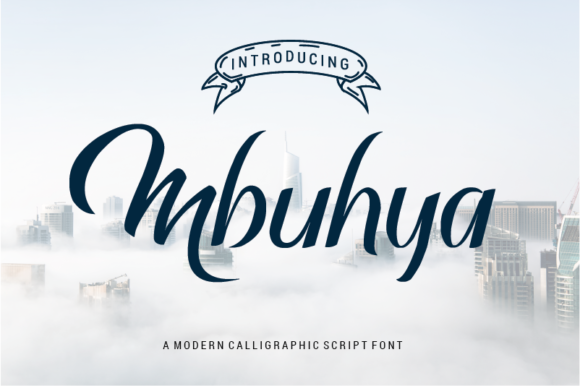
Mbuhya is an elegant and stylish handwritten font that serves as a powerful tool for publishers and editorial designers seeking to capture immediate reader attention. In the competitive landscape of digital publishing, where scroll-stopping visuals are paramount, this typeface offers a distinct personality that bridges the gap between traditional calligraphy and modern typography. When designing magazine covers or prominent blog headers, the visual weight of your title dictates the perceived value of the content. Mbuhya provides the necessary flourish to signal luxury, intimacy, or creativity without sacrificing the professional polish required for high-end publications. Its flowing lines create a natural focal point that guides the eye, making it an ideal choice for feature stories, lifestyle editorials, and seasonal content themes.
For content creators managing a blog or digital magazine, consistency in header typography builds brand recognition. Using Mbuhya as a recurring element in your main titles establishes a cohesive visual identity that readers begin to associate with your specific voice. Unlike generic display fonts, this script handwritten style carries an inherent warmth that invites engagement. It transforms a standard headline into a piece of art, suggesting that the article within has been crafted with similar care. Whether you are publishing a fashion editorial, a wellness guide, or a personal essay collection, the font’s versatility allows it to adapt to various moods while maintaining its core elegance. This adaptability is crucial for multi-niche publishers who need a single, reliable typeface family that performs well across different content verticals.
Designing Wedding Invitations and Premium Stationery Art
Fall in love with the incredibly versatile style of Mbuhya when creating gorgeous wedding invitations and beautiful stationery art that demands tactile sophistication. For designers specializing in print media and event branding, the authenticity of a handwritten font is non-negotiable. Clients seeking premium stationery are looking for typography that feels bespoke and human, rather than digitally manufactured. Mbuhya delivers this organic aesthetic through refined strokes and balanced spacing that remain legible even at smaller sizes typically found on RSVP cards, menu inserts, and place cards. The elegance of this typeface aligns perfectly with the emotional resonance of wedding design, providing a romantic yet structured foundation for invitation suites.
Beyond weddings, this font excels in broader stationery applications such as greeting cards, thank-you notes, and luxury packaging labels. Editorial designers working on printable products or physical merchandise will appreciate how Mbuhya translates from screen to paper. The ink-like quality of the letterforms ensures that the design retains its integrity during the printing process, avoiding the jagged edges often seen in lower-quality script fonts. When designing stationery art, consider utilizing the font’s natural rhythm to create monograms or interlocking text treatments. This capability adds significant value to commercial projects, allowing you to offer clients custom branding elements derived directly from the typeface. By leveraging Mbuhya’s stylish characteristics, you can produce stationery collections that feel both timeless and contemporary, satisfying the market demand for personalized, artisanal paper goods.
Crafting Eye-Catching Social Media Graphics and Quote Templates
Use Mbuhya to create eye-catching social media graphics that drive engagement and reinforce your publication’s visual language across platforms. In the realm of content marketing, static images must compete with video and interactive media; a strong typographic hierarchy is essential for success. This script handwritten font acts as an excellent accent typeface for Instagram carousels, Pinterest pins, and TikTok covers. When overlaying text on photography or solid color backgrounds, Mbuhya’s distinctive silhouette ensures readability against complex textures. For bloggers and newsletter writers repurposing long-form content into bite-sized social assets, this font helps highlight key takeaways, pull quotes, and testimonials effectively.
The versatility of Mbuhya extends to template creation for content brands. If you are selling or distributing social media templates as lead magnets or paid digital products, including this typeface adds a premium touch that justifies higher price points. Designers should focus on pairing the script with ample negative space to prevent visual clutter, especially on mobile screens where real estate is limited. Consider using Mbuhya specifically for the "hook" word in a carousel slide or the primary keyword in a Pinterest title. This strategic application leverages the font’s decorative nature to improve click-through rates while keeping secondary information in clean sans serif fonts for maximum accessibility. The result is a balanced graphic that feels professionally designed rather than hastily assembled.
Pairing Mbuhya with Serif and Sans Serif Fonts for Readability
Fonts like Mbuhya require thoughtful pairing strategies to maintain editorial clarity and ensure a seamless reading experience across blogs, ebooks, and newsletters. As a display typeface, Mbuhya should never be used for body copy; its intricate details cause fatigue when read in long paragraphs. Instead, position it strictly within the visual hierarchy as a counterpart to highly legible text faces. For a classic editorial look, pair Mbuhya with a high-contrast serif font like Playfair Display or Merriweather for subheadings and body text. This combination evokes the sophistication of traditional print magazines while functioning beautifully on digital screens. The contrast between the fluid script and the structured serif creates a dynamic tension that keeps layouts interesting.
Alternatively, for a more modern, minimalist aesthetic suitable for tech blogs or coaching workbooks, pair Mbuhya with a geometric sans serif font such as Montserrat or Lato. The clean lines of the sans serif ground the exuberance of the script, preventing the design from feeling overly ornate. This pairing is particularly effective for ebook covers and chapter openers where you want to convey approachability alongside authority. When setting type, always check the x-height alignment between your chosen body font and Mbuhya to ensure optical consistency. Additionally, utilize OpenType features if available; ligatures and alternate characters can help customize the flow of the script to better match the spacing of your companion typeface. Mastering these pairings transforms Mbuhya from a standalone decorative element into a functional component of a comprehensive design system.
Licensing Mbuhya for Commercial Ebooks and Digital Products
Understanding the commercial licensing for Mbuhya is critical for publishers, course creators, and independent authors monetizing their design work. Before incorporating this script handwritten font into paid newsletters, sellable templates, or client deliverables, verify that your license covers the intended end-use. Many font licenses distinguish between personal use, desktop publishing, and web embedding; ebooks and digital downloads often fall into specific categories requiring extended permissions. Protecting your business from legal issues starts with proper asset management. If you plan to use Mbuhya in a logo or trademarked brand identity, confirm that the license explicitly permits this, as standard desktop licenses frequently exclude trademark usage.
For creators developing scalable digital products, investing in the appropriate commercial license for Mbuhya is a strategic business decision. High-quality typography signals professionalism to potential buyers and subscribers. When listing products on marketplaces or your own site, mentioning the use of premium fonts like Mbuhya can enhance the perceived value of your offering. Furthermore, keeping organized records of your font licenses simplifies future audits and client handoffs. If you are working on behalf of a client, ensure the license is transferred correctly or purchased under their name to avoid liability. By treating font licensing with the same rigor as image rights or copy editing, you build a sustainable, reputable publishing practice that respects intellectual property while delivering exceptional creative results.