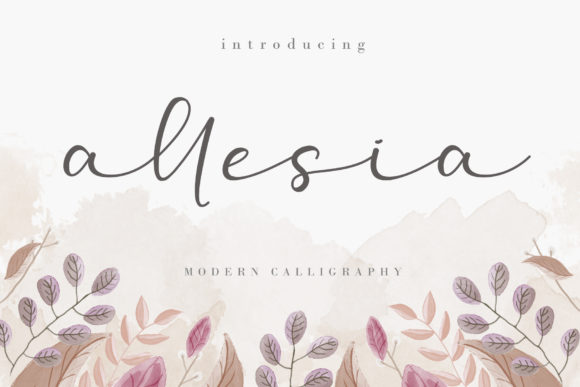
Allesia Font: Elevating Web Design with Handwritten Style
Using Allesia Script Handwritten Fonts for High-Converting Hero Sections
Allesia is a gorgeous handwritten font that brings its own unique style to any design project, making it an exceptional choice for web designers crafting high-impact hero sections. When users land on a website, the first three seconds determine whether they stay or bounce, and typography plays a massive role in that immediate impression. As a display typeface within the Script Handwritten category, Allesia offers the organic warmth of traditional calligraphy while maintaining the crisp vector edges required for modern screens. In a digital landscape saturated with generic sans serif fonts, introducing Allesia into your primary headline creates an instant focal point that guides the user’s eye directly to your value proposition.
For landing pages and SaaS homepages, readability in large formats is non-negotiable. While many decorative fonts sacrifice legibility for flair, Allesia balances artistic flow with structural clarity. This makes it suitable for H1 tags where you need to convey emotion without confusing the visitor. When implementing this font in a hero banner, ensure you utilize adequate line height and letter spacing. Tight tracking can cause handwritten glyphs to collide on smaller viewports, so testing responsive breakpoints is essential. By treating Allesia as a strategic UI element rather than mere decoration, you transform standard web copy into a compelling brand narrative that encourages scrolling and engagement.
Allesia for Wedding Websites and Elegant Digital Branding
Designers selecting Fonts for luxury markets will find that Allesia elevates wedding websites and elegant branding projects to the highest level of sophistication. The niche of digital matrimonial design requires a delicate balance between romantic aesthetics and functional usability. Couples and event planners searching for premium web templates expect typography that feels personal and bespoke. Allesia delivers this authentic handwritten texture that mimics high-end stationery, bridging the gap between physical print invitations and the digital RSVP experience. Its fluid strokes evoke intimacy and exclusivity, which are critical psychological triggers for conversion in the wedding and luxury lifestyle sectors.
Beyond weddings, this typeface serves as a cornerstone for boutique e-commerce brands, coaching platforms, and artisanal product lines. When building a brand identity system, consistency is key to establishing trust. Using Allesia for logo lockups, navigation accents, and signature sign-offs creates a cohesive visual language across the entire site. For online stores selling jewelry, skincare, or custom apparel, the font adds a layer of perceived value to product pages. However, restraint is vital; use Allesia for emotional touchpoints like testimonial headers or limited-time offer banners, while reserving clean sans serif fonts for pricing, specifications, and checkout flows to maintain frictionless usability.
Optimizing Allesia Typography for Mobile Readability and UI Hierarchy
Integrating Allesia into responsive layouts requires a thoughtful approach to ensure Script Handwritten elements remain legible across all device sizes. Mobile-first design dictates that typography must scale gracefully, and intricate scripts often face challenges on narrow screens. As a web designer, you should establish specific CSS rules for Allesia when used in headings. A minimum font size of 24px for mobile displays is generally recommended to preserve the integrity of the swashes and connections. If the font becomes illegible at smaller sizes, consider swapping to a simpler alternative for mobile views while retaining Allesia for desktop experiences where screen real estate allows the letterforms to breathe.
Visual hierarchy relies heavily on contrast, and Allesia excels when paired with minimalist supporting typefaces. To maximize scanning behavior, pair this expressive script with a neutral geometric sans serif or a highly readable serif font for body text. This juxtaposition not only enhances aesthetic appeal but also signals to the user which content is decorative and which is informational. For example, use Allesia for section dividers and pull quotes to break up long-form content, creating a rhythm that keeps readers engaged. Always test color contrast ratios against WCAG standards; handwritten fonts on dark backgrounds may require slightly bolder weights or lighter opacity adjustments to ensure accessibility compliance without losing their delicate character.
Licensing Allesia Fonts for Commercial Web Projects and Client Assets
Before deploying Allesia in any commercial environment, understanding font licensing for web design and digital products is absolutely critical for protecting your agency and clients. Fonts are software, and each typeface comes with specific End User License Agreements (EULA) that dictate usage rights. For web designers, verifying that your license covers webfont embedding (@font-face), app usage, and digital advertising is mandatory. A standard desktop license typically does not include permission to host the font files on a server or embed them in a template for resale. Overlooking these details can lead to legal complications and unexpected costs down the line.
When delivering client projects, always provide documentation regarding the Allesia license scope. If you are creating a WordPress theme, Shopify template, or Canva kit for resale, you will likely need an extended or OEM license. Additionally, check the included file formats; WOFF2 is currently the industry standard for web performance due to its superior compression, while OTF files are preferable for static graphic design assets. Confirming multilingual support is also wise if your client targets international audiences, as missing glyphs can result in fallback fonts breaking the design's visual continuity. Proper asset management ensures that the beauty of Allesia translates seamlessly from your design file to the live production environment.
Pairing Allesia with Sans Serif Fonts for Balanced Web Layouts
Achieving professional typographic harmony involves strategically combining Allesia with complementary sans serif or serif fonts to create balanced web layouts. Because Allesia possesses such a distinct personality and high stroke contrast, it demands a partner that provides stability and neutrality. Popular pairings include modern grotesques like Inter, DM Sans, or Outfit, which offer excellent x-heights and open counters that improve reading speed. This combination allows Allesia to shine as the "voice" of the brand while the body font handles the heavy lifting of information delivery. Avoid pairing Allesia with other decorative or script fonts, as this creates visual noise and competes for attention, ultimately degrading the user experience.
In practical application, consider using Allesia for micro-interactions and accent elements to reinforce brand tone throughout the interface. Subtle uses, such as hover states on buttons, annotation-style labels next to images, or footer signatures, add delight without overwhelming the layout. For content-heavy sites like blogs or magazines, use the font sparingly in drop caps or sidebar widgets to maintain editorial elegance. Remember that whitespace is just as important as the type itself; giving Allesia ample padding prevents it from feeling cramped against other UI components. By treating this handwritten typeface as a precision tool within your broader design system, you ensure that every pixel contributes to a polished, conversion-focused digital presence that resonates with your target audience.